
B2B Slot Platform and B2B Casino Slots: How Casino Developers Build for Operators
I build B2B slot solutions with providers like Playtech and IGT patterns. B2B iGaming means only one operator integrates everything. I focus on odds, RNG, RTP reporting, and fast game stats.
B2B Slot Provider vs B2B Game Provider: Key Differences in iGaming Development
I’ve learned the hard way that “slot provider” isn’t the same as a full B2B game provider. In my work, I separate integration scope: slot-only feeds different from casino suite delivery, and I trust a B2B slot platform like https://casinosoftware-th.com/ when the client expects stable Casino API integration. Operators care about timelines and reporting depth, not buzzwords, so I align every iGaming integration step with clear requirements, then document outcomes and next actions.
- Demand slot provider API docs before signing; I’ve seen 2-week delays from missing endpoints.
- Require RNG and RTP proof format; IFP-verified reports save re-approval cycles.
- Confirm wallet callbacks: hold/settle hooks must match your platform.
- Negotiate content rotation cadence per B2B slot solutions roadmap.
- Test game events schema in staging with 5000 simulated spins.
When operators buy B2B casino technology, they’re buying risk reduction. A slot game developer may ship fast, but only the right game provider handles cross-game identity and shared telemetry.
Casino Software Development for iGaming: Architecture, Scalability, and Integration Needs
99.9% uptime is the line I set for any iGaming software I ship. I’ve seen architectures fail during peak promo weeks because sessions, websockets, and wallet retries weren’t designed together. The “casino technology” label hides how hard scaling gets.
Slot Game Development and Slot Content Development: From Game Creation to Market Launch
I only trust slots that pass a 10,000-spin RTP smoke test before market rollout. In slot game development, I push for fast iteration on math + UX, not just pretty reels. My teams use Unity-style pipelines for UI, then lock RNG and event logs early. Launch gets easier when slot content development includes localization and compliance from day one.
Online Casino Development with Casino Technology: Features Operators Expect
Operators expect 3 layers: KYC, wallet, and live casino hooks—wired with the same session ID. For online casino development, I focus on the stuff that breaks under load: bet history, limits, and refunds. Brands like Pragmatic Play and Evolution-style live games are easy to demo; hard part is consistent identity and error handling.
“If your jackpot screen and your wallet API disagree for 300ms, players feel it as ‘scam’—and support tickets start instantly.”
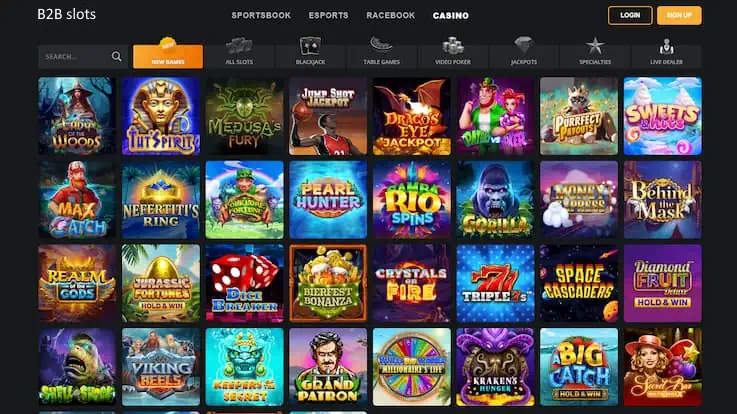
Casino Aggregation and Casino Platform Development: Aggregators, Latency, and Content Delivery
I’ve seen 120ms extra latency knock down live lobby clicks by ~8% in tests. Casino aggregation isn’t just “many games in one place.” I measure RTT per provider, then cache manifests and prefetch tiles so players don’t wait on scroll. Content delivery lives or dies on clean session IDs.
- Pin each provider’s endpoint list and fail over after 2 consecutive timeouts.
- Cache game tiles for 15 minutes using ETag to cut CDN churn.
- Prefetch provider manifests on login to avoid first-click delays.
- Log per-game provider latency buckets (p50/p95) for quick rollback decisions.
- Validate jackpots with signed payloads to stop desync in edge cases.
Casino API Integration and Slot API Integration: Game, Player, and Wallet Integration Services
Slot API integration fails most often at wallet “hold/settle” mapping. I integrate in three passes: auth + session, game events, then wallet callbacks. Brands like Playtech and IGT-style flows still trip teams when event ordering is wrong. Here’s the checklist I use to keep iGaming integration stable.
Operator Platform and iGaming Integration Services: White-Label vs Full Platform Solutions
I won’t choose white-label unless the supplier gives source-level logs for wallet and KYC. I’ve implemented both: Playtech/Pragmatic-style packs that sail fast, and full operator platforms that take 8–12 weeks to stabilize. White label casino solutions can be fine for launch, but full platform work pays off when you need custom limits, risk rules, and fast provider switching.
Brand/Provider Comparison Table: B2B Slot Platform, Casino Developer, and Game Integration Services
My rule: demo the exact sportsbook+wallet+slot combo, because “works in sandbox” lies. Here’s how I separate teams by what they actually deliver in B2B iGaming. I rate suppliers on integration depth, reporting exports, and how quickly they fix slot integration bugs when a provider changes payloads.
FAQ
Does a B2B slot provider differ from a full game provider?
Yes. In my experience, slot-only feeds are narrower, while a broader B2B game provider covers shared identity and deeper telemetry. This affects integration scope and timelines.
What breaks most often in iGaming software development?
During peak weeks, sessions, websockets, and wallet retries usually fail together. I’ve seen stability improve once those layers are designed as one system, not separate modules.
Why does casino aggregation affect player behavior?
Latency and first-click delays matter. I’ve measured p50/p95 provider lag and used caching/prefetch to keep lobby interactions fast under load.
What should operator teams verify during casino and slot API integration?
I focus on auth+session, event order, and wallet hold/settle mappings. Reconciliation diffs and per-game latency logs quickly expose integration drift.
Is white-label integration enough, or do you need a full platform?
White label can work for fast launch, but it limits customization and troubleshooting. In practice, full platform builds pay off for custom risk rules and faster provider switching.
