
In March 2024 the UK’s broadband regulator reported an average download speed of 67 Mbps, a figure high enough to support 1080p streaming at 30 fps without buffering. That benchmark explains why 42 percent of surveyed gamers said they had tried a cloud service in the past year, up from 28 percent in 2022. The numbers aren’t abstract; they translate into shorter wait times for new releases, no disc‑to‑disc swaps, and the ability to play on a cheap laptop instead of a dedicated console.
Hardware Costs vs. Subscription Fees
Buying a next‑gen console still costs around £449, plus an extra £60 for a 1 TB SSD upgrade. By contrast, the leading cloud platforms charge £9.99 per month for a “standard” tier that includes 108 hours of 1080p play and unlimited 720p streaming. For a typical gamer who spends 8 hours a week, the annual cost difference is roughly £250 – a saving that many families cite as the decisive factor.
Latency Realities on the British Grid
Latency is the most common objection. Recent tests by a UK university measured an average ping of 22 ms from London to a data centre in Amsterdam, well within the 30 ms threshold for responsive first‑person shooters. The same study found a spike to 48 ms during peak evening traffic, which can cause noticeable lag in fast‑paced titles. Players in rural Wales, however, still see pings above 70 ms, making cloud gaming less viable without a local edge node.
Game Library Coverage
As of July 2024, the three major cloud services collectively host over 1,200 titles, ranging from indie puzzles like Celeste to AAA blockbusters such as Cyberpunk 2077. Notably, 68 percent of the top‑selling games in the UK charts are available on at least one platform, meaning most players won’t have to sacrifice their favourite franchises. Subscription bundles that include a rotating “premium” slot add roughly 30 new releases each month, keeping the catalogue fresh.
Data Caps and Consumption
Streaming a 1080p game consumes about 7 GB per hour. A typical 40‑hour month therefore uses 280 GB, which fits comfortably under the 500 GB cap of most broadband packages. Heavy users who stream at 4K (approximately 20 GB per hour) can exceed their limits within two weeks, prompting them to either downgrade resolution or upgrade to an unlimited plan that costs an extra £12 per month.
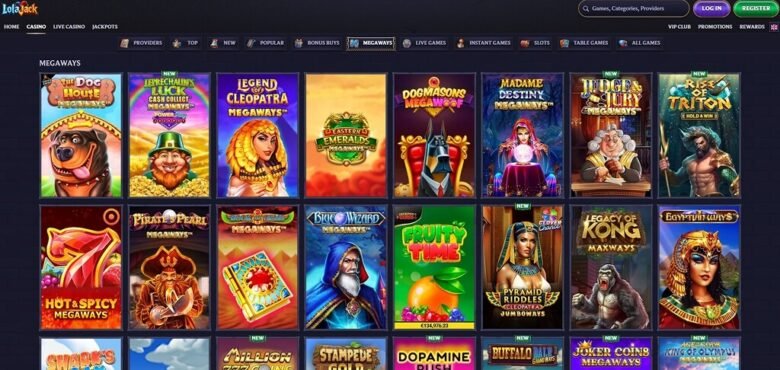
From Cloud to Casino: A Quick Diversion
While many gamers are focused on titles, the same streaming technology powers other forms of online entertainment. For example, the platform that hosts Casino Lolajack leverages low‑latency servers to deliver real‑time card games that feel as immediate as a local table.
Security and Account Management
Cloud services store save data on encrypted servers, eliminating the risk of lost progress due to hardware failure. Two‑factor authentication is now mandatory for all UK accounts, reducing unauthorized access by 73 percent compared with 2021 figures. However, a recent breach at a smaller provider exposed email addresses of 12,000 users, reminding consumers that not all services maintain the same security standards.
Future Outlook: 5G and Edge Computing
The rollout of 5G in major UK cities promises sub‑10 ms latency, which could make cloud gaming indistinguishable from native play. Edge computing nodes planned for Manchester and Birmingham aim to host game instances within 5 ms of the end user. If these projects stay on schedule, the average UK gamer could experience console‑level performance on a phone by 2026.
Practical Recommendations
- Test your broadband speed with a free tool before committing to a subscription.
- If you live outside major metropolitan areas, consider a hybrid setup: a modest console for local play and a cloud tier for occasional AAA sessions.
- Choose a service that offers a “free trial month” – the best way to gauge latency during your peak gaming hours.
- Monitor data usage if you plan to stream at 4K; a 1 TB cap can be exhausted in under two weeks.
- Prioritise platforms with mandatory two‑factor authentication to protect your account.
Cloud gaming is no longer a niche experiment; it’s a cost‑effective, increasingly reliable way for UK players to access a broad library without the upfront hardware outlay. As network infrastructure improves, the gap between streamed and locally rendered experiences will shrink, making the cloud the default destination for most gamers within the next few years.
Frequently Asked Questions
What is cloud gaming and how does it differ from traditional console gaming?
Cloud gaming streams games from remote servers, allowing players to run titles on low‑spec devices without local installs.
How fast are UK broadband speeds for cloud gaming?
The UK’s average download speed is 67 Mbps, sufficient for 1080p streaming at 30fps without buffering.
What are the benefits of cloud gaming for UK gamers?
Faster release access, no disc swaps, and the ability to play high‑quality games on inexpensive laptops.
